The Thrill of Uncertainty
The allure of casinos largely hinges on the thrill of uncertainty. Players are drawn to the unpredictability of outcomes, which stimulates the brain's reward system. This response is closely related to the anticipation of a potential win, which can evoke feelings of excitement and joy. For those seeking quick returns, a fast withdrawal casino canada real money can significantly enhance the overall experience. Neuroscience studies show that when individuals engage in gambling, their brains release dopamine, a neurotransmitter associated with pleasure. This biochemical reaction can create a euphoric state, enhancing the enjoyment of gaming and motivating players to continue despite risks. The unpredictability not only heightens the stakes but also turns each game into a unique experience, making the act of playing itself a source of entertainment.
Furthermore, the concept of variable reinforcement plays a significant role in shaping gaming behavior. Unlike fixed rewards, the sporadic nature of winning in casino games, such as slot machines, keeps players engaged. This psychological principle suggests that individuals are more likely to persist in an activity when they are unsure of when they might receive a reward. Each spin or hand holds the potential for a gratifying outcome, which can be more enticing than a guaranteed win. This mechanism of intermittent reinforcement can create a cycle of engagement that is difficult to break, as players continuously seek that elusive next win.
Beyond mere chance, this thrill of uncertainty can also influence social interactions within casinos. Players often engage in discussions about strategies, share wins, or commiserate over losses, creating a communal atmosphere. This social dynamic amplifies the excitement, as players become part of a larger narrative. The collective anticipation fosters a sense of belonging and shared experience, deepening the emotional and psychological investment in the gaming process. The thrill of uncertainty therefore not only captivates individual players but also enhances the communal aspect of gaming, making it a social event as much as a personal challenge.
The Role of Cognitive Biases
Cognitive biases play a pivotal role in shaping gambling behavior, often leading players to make irrational decisions. One common bias is the illusion of control, where individuals believe they can influence outcomes despite the odds being purely random. For instance, a player might think they can affect a dice roll or a card shuffle, which can lead to a sense of agency over an inherently luck-based game. This misconception can increase the amount of time and money spent gambling, as players chase the feeling of control they believe they possess. As a result, they may continue playing even when the odds are stacked against them, falling deeper into the gambling experience.
Another bias affecting players is the gambler's fallacy, which is the belief that past events can influence future outcomes. For example, if a particular slot machine hasn't paid out for a while, a player might assume it is "due" for a win. This fallacy can lead to a cycle of chasing losses, where individuals continue to gamble in the hope that their luck will change. These cognitive biases often cloud judgment and can escalate gambling behavior, creating a perfect storm for potential addiction. Understanding these biases is essential for both players and operators, as it highlights the psychological barriers that can lead to problematic gambling behaviors.

In addition to these biases, social influences can significantly shape gaming decisions. Peer pressure or the desire to fit in can motivate individuals to engage in gambling activities, even if they might not have initially intended to do so. Observing friends win or hearing stories about massive jackpots can create a compelling narrative that encourages participation. This intertwining of cognitive biases and social influences creates a complex web of motivations behind casino gaming behavior, making it essential for players to recognize these dynamics to make informed decisions.
The Emotional Rollercoaster of Gambling
Gambling can be characterized as an emotional rollercoaster, where players experience a wide array of feelings throughout their gaming sessions. The highs of winning are often accompanied by intense feelings of euphoria, while losses can lead to frustration and disappointment. This emotional volatility can be addictive, as players frequently return to the gaming floor in search of that initial high experienced when they first won. The desire to reclaim losses, known as chasing losses, adds a layer of complexity to their emotional engagement. Players may find themselves caught in a cycle where the thrill of potential wins overshadows the reality of their losses.
Moreover, the environment of a casino amplifies these emotional states. The bright lights, sounds, and atmosphere are meticulously designed to evoke specific feelings that keep players engaged. This sensory overload can create a disorienting effect, making it easy for individuals to lose track of time and money spent. As they become more absorbed in the experience, players often find it challenging to step back and assess their emotional and financial situations. The immersive design of casinos is intentional; it capitalizes on emotional engagement to encourage longer play sessions.
Understanding the emotional dynamics of gambling is crucial for fostering responsible gaming practices. As operators and regulators become more aware of the psychological underpinnings of gambling behavior, they can implement strategies to mitigate the risks associated with heightened emotional states. Both education and support systems are essential in helping players navigate their feelings as they engage with casino games. By addressing the emotional rollercoaster of gambling, stakeholders can promote healthier gaming habits while still allowing for enjoyment, ensuring players can strike a balance between excitement and responsibility.
The Impact of Marketing and Environment
The marketing strategies employed by casinos significantly influence gaming behavior. From loyalty programs to promotional events, these initiatives are designed to entice players to return more frequently. Advertisements often highlight the excitement of winning, presenting gambling as an exhilarating and glamorous choice. By creating a narrative around successful gaming experiences, casinos tap into the hopes and dreams of potential players, effectively drawing them into the gaming environment. This marketing approach not only attracts new players but also reinforces the existing players' commitment to the casino.
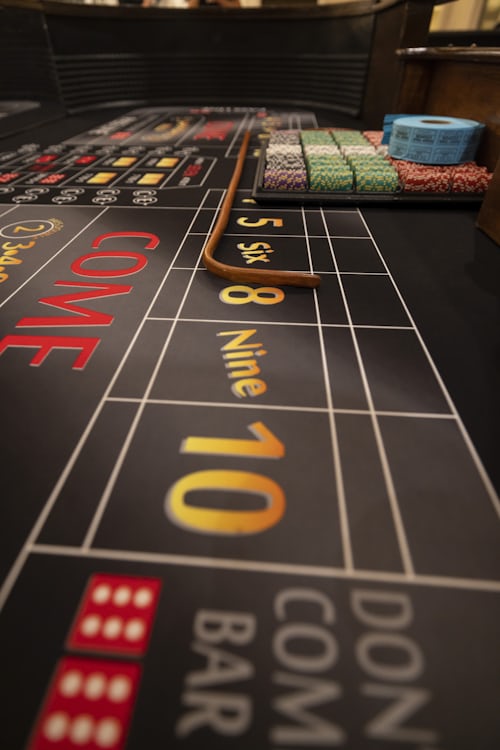
The physical environment of a casino also plays a substantial role in shaping player behavior. Elements such as layout, lighting, and sound contribute to a unique atmosphere that enhances the gaming experience. For instance, soundscapes of coins or cheers can create a sense of winning, even when players are losing. Additionally, the lack of clocks and windows in many casinos removes traditional time cues, leading players to lose track of how long they have been gambling. This deliberate design encourages longer play sessions, which can increase spending and deepen emotional investment in the experience.
Sociocultural factors intersect with marketing and environmental influences, creating a multi-faceted approach to understanding gambling behavior. As players interact within their environments, they are influenced not only by promotional messages but also by peer interactions and cultural narratives surrounding gambling. Recognizing how these factors interplay allows for a more comprehensive understanding of player motivations. This holistic view can lead to the development of responsible marketing practices that promote safer gaming behaviors, ensuring that the excitement of gambling does not overshadow the importance of player well-being.
The Importance of Responsible Gaming Resources
In light of the psychological complexities surrounding casino gaming behavior, responsible gaming resources have become increasingly essential. Casinos and operators are recognizing their role in promoting healthy gambling practices to prevent addiction and mitigate associated risks. Offering resources such as self-exclusion programs, educational materials, and support services can empower players to make informed decisions about their gaming habits. These initiatives signal a commitment to player welfare and can help create a more sustainable gaming environment.
Furthermore, understanding the signs of problem gambling is crucial for both players and the community. By raising awareness of what constitutes harmful gaming behavior, casinos can create a proactive culture that encourages players to seek help when necessary. This sense of community support can break down stigmas associated with gambling issues, enabling individuals to address their challenges in a safe environment. Empowering players with knowledge and resources can foster healthier gaming practices, ensuring that the thrill of gambling does not devolve into harmful behavior.
As the gaming industry continues to evolve, the integration of responsible gaming strategies is crucial. Informed players are less likely to engage in risky behaviors, which benefits not only their well-being but also the overall reputation of the gaming industry. By prioritizing resources and support for responsible gaming, operators can foster a healthier relationship between players and the gaming experience. Ultimately, these efforts contribute to an enjoyable atmosphere where excitement is balanced with responsibility, leading to a more sustainable and enjoyable environment for all stakeholders involved.